
Clinic: 2103 South El Camino Real Suite 206, Oceanside Ca. 92054
A Natural Solution
High Potency Stem Cell Treatment's may Solve your Hair Loss Issues
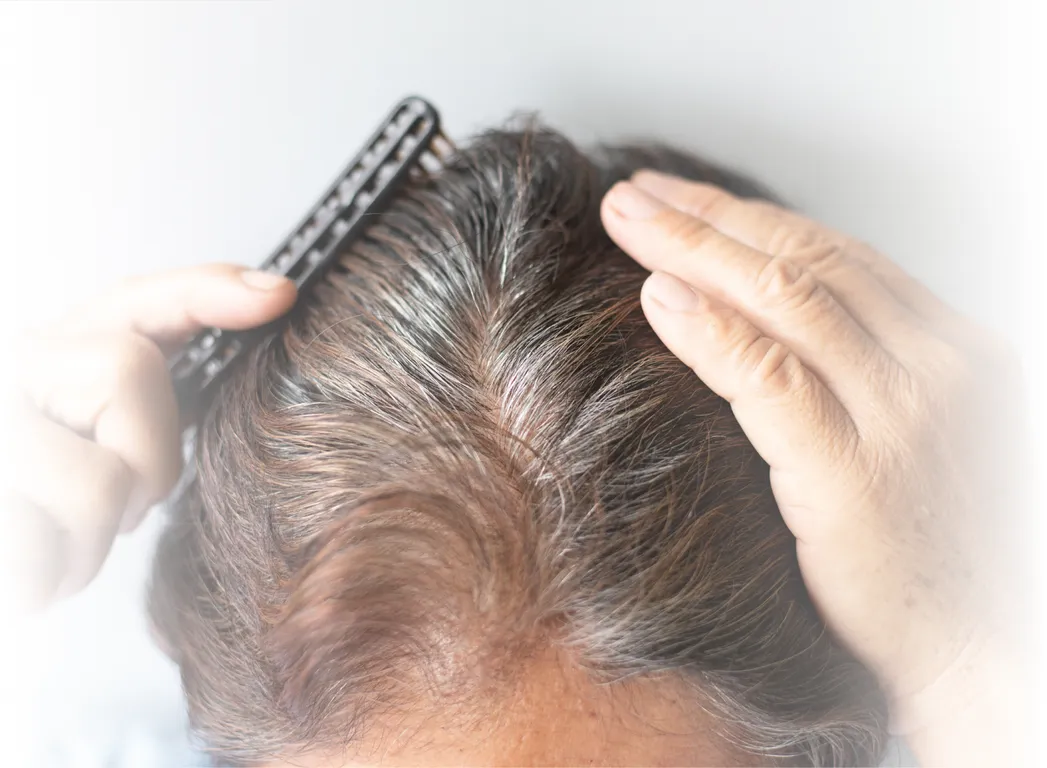
Transform your hair's natural growth potential with our advanced stem cell hair restoration treatment. This innovative, minimally-invasive procedure harnesses your body's own regenerative capabilities to combat hair loss and promote new growth.
Naturally stimulates hair growth at the roots, the "Cellular Level"
Clinically proven to improve hair thickness and fullness
A minimally invasive, safe, and effective procedure with no downtime
A Natural Solution
High Potency...Stem Cell Treatments for Hair Loss
Transform your hair's natural growth potential with our advanced stem cell hair restoration treatment. This innovative, minimally-invasive procedure harnesses your body's own regenerative capabilities to combat hair loss and promote new growth.
Naturally stimulates hair growth at the roots, the "Cellular Level"
Clinically proven to improve hair thickness and fullness
A minimally invasive, safe, and effective procedure with no downtime
Hair Growth Cycle
The 3 Phase Life Cycle of Hair Growth
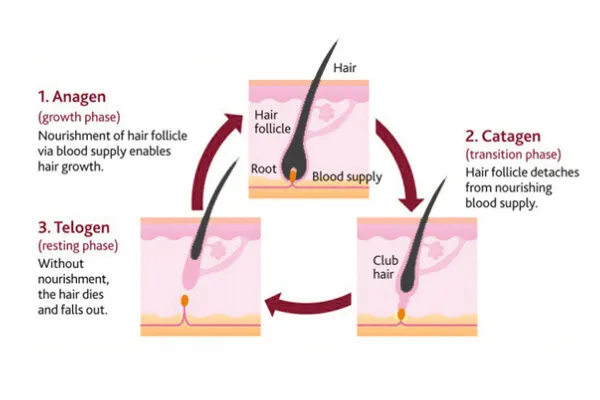
Each hair is born in a hair bulb present in the hair follicles. The hair bulb is a miniature factory where the cell division takes place. As more and more cells divide, the older cells are pushed outside the hair bulb and it grows out as a hair shaft. The hair typically proceeds through three important phases in its growth cycle, Anagen, Catagen and Telogen.
Understanding Hair Loss
Hair Growth Cycles in The Average Lifetime?
During our lifetime, we have about 25 hair-growth cycles. It is important to note that the total number of hair usually remains constant, in spite hair going through different phases. Ideally the ratio between Anagen and the Telogen phase known as A/T ratio is usually 80:20. This means 80% of the hair is in growing phase and 20% are in the falling phase. Hair growth is also affected by seasonal changes. For instance, hair grows more quickly in summer than in winter and falls more in autumn than other seasons. The growth rate of hair also tends to slow down with ageing. The hair can grow to maximum length of 36 inches in women. It is rare to find hair exceeding 36 inches. The falling of hair may also be affected by hormonal changes in body. In men, the male hormone androgen destroys the hair follicles and thus raises the risk of hair thinning or balding in men. In women, the balding is rare because of the protective action of estrogen towards the hair. However, in periods where estrogen levels fall, androgen can affect the hair follicle in women too. This happens in life stages such as menopause or even after delivering a baby.
Most of the females want their hair to grow too long and often they do
complaint of not having good growth since beginning or complaints of scanty hair growth off lately. To get yourself treated to increase the length of the hair you need to
first understand how hair grows primarily and to give you a clear picture on how hair grows we have mentioned the points below so go through each of these very carefully.
The speed at which hair grows
It is really very important for one to know the speed average at which the length of the hair grows which comes to half an inch per month (1 to 2 cms a month or 0.3 mm to 0.5 mm a day).
Breaking down the phases
The Three Phases of Hair Growth
1. Anagen
Anagen is the growth phase. The cell division happens rapidly, the older dead cells are pushed outside the hair bulb where they get keratinized and the baby hair starts to grow. The Anagen phase lasts for about 3 years. On an average each hair grows by half an inch each month. At any given time 85% of hair follicles are in growth phase.
2. Catagen
Catagen is the resting phase or transitional phase. The hair stops growing when it enters the Catagen phase and stays in this phase for about a month. At this stage the hair follicle from which hair strand has grown starts to shrink. However, the hair does not fall out and stands firm for some time. At any given time an average 1% of hair is in the resting phase or the Catagen Phase
3. Telogen
Telogen is the final phase and also known as the falling phase. This is the time where the mature hair falls off. This phase lasts for about 3 months. Once the hair falls out, the hair follicles re-enters the Anagen or the growth phase. At any given time approximately 10% of hair is in Telogen phase.
Breaking down the factors
Factors That Increase and Decrease Hair Growth
Now that you how hair grows it is really very important for you to understand the factors that increase and decrease hair growth. This will motivate lifestyle changes and help you understand how each aspect of your life plays into hair growth.
Hormones
Female hormones generally have a favorable effect on the growth of the hair whereas the male hormones have a negative effect on the hair growth. Also hormonal issues like the diabetes, thyroid, PCOD lead to hair loss and stunted hair growth.
Genetics
Genes also play a very important role in the growth of the hair.
Stress
Stress is one of the primary factors which lead to many hair problems, hair loss being one of them.
Diet
A poor diet leads to hair problems especially which lacks with proteins, minerals, essential fatty acids.
Medications
Lots of medications are known to have adverse effect
on the hair. They are generally anti-depressant medications, many antibiotics, Vit A derivatives.
Understanding Hair Loss
Hair-Growth Cycles in The Average Lifetime?
During our lifetime, we have about 25 hair-growth cycles. It is important to note that the total number of hair usually remains constant, in spite hair going through different phases. Ideally the ratio between Anagen and the Telogen phase known as A/T ratio is usually 80:20. This means 80% of the hair is in growing phase and 20% are in the falling phase. Hair growth is also affected by seasonal changes. For instance, hair grows more quickly in summer than in winter and falls more in autumn than other seasons. The growth rate of hair also tends to slow down with ageing. The hair can grow to maximum length of 36 inches in women. It is rare to find hair exceeding 36 inches. The falling of hair may also be affected by hormonal changes in body. In men, the male hormone androgen destroys the hair follicles and thus raises the risk of hair thinning or balding in men. In women, the balding is rare because of the protective action of estrogen towards the hair. However, in periods where estrogen levels fall, androgen can affect the hair follicle in women too. This happens in life stages such as menopause or even after delivering a baby.
Most of the females want their hair to grow too long and often they do
complaint of not having good growth since beginning or complaints of scanty hair growth off lately. To get yourself treated to increase the length of the hair you need to
first understand how hair grows primarily and to give you a clear picture on how hair grows we have mentioned the points below so go through each of these very carefully.
The speed at which hair grows
It is really very important for one to know the speed average at which the length of the hair grows which comes to half an inch per month (1 to 2 cms a month or 0.3 mm to 0.5 mm a day).
Breaking down the phases
The 3 Phases of Hair Growth
1. Anagen
Anagen is the growth phase. The cell division happens rapidly, the older dead cells are pushed outside the hair bulb where they get keratinized and the baby hair starts to grow. The Anagen phase lasts for about 3 years. On an average each hair grows by half an inch each month. At any given time 85% of hair follicles are in growth phase.
2. Catagen
Catagen is the resting phase or transitional phase. The hair stops growing when it enters the Catagen phase and stays in this phase for about a month. At this stage the hair follicle from which hair strand has grown starts to shrink. However, the hair does not fall out and stands firm for some time. At any given time an average 1% of hair is in the resting phase or the Catagen Phase
3. Telogen
Telogen is the final phase and also known as the falling phase. This is the time where the mature hair falls off. This phase lasts for about 3 months. Once the hair falls out, the hair follicles re-enters the Anagen or the growth phase. At any given time approximately 10% of hair is in Telogen phase.
A natural solution
Discover the Power Stem Cell Treatments
Stem cell treatment is non-invasive, natural, and effective for hair restoration.
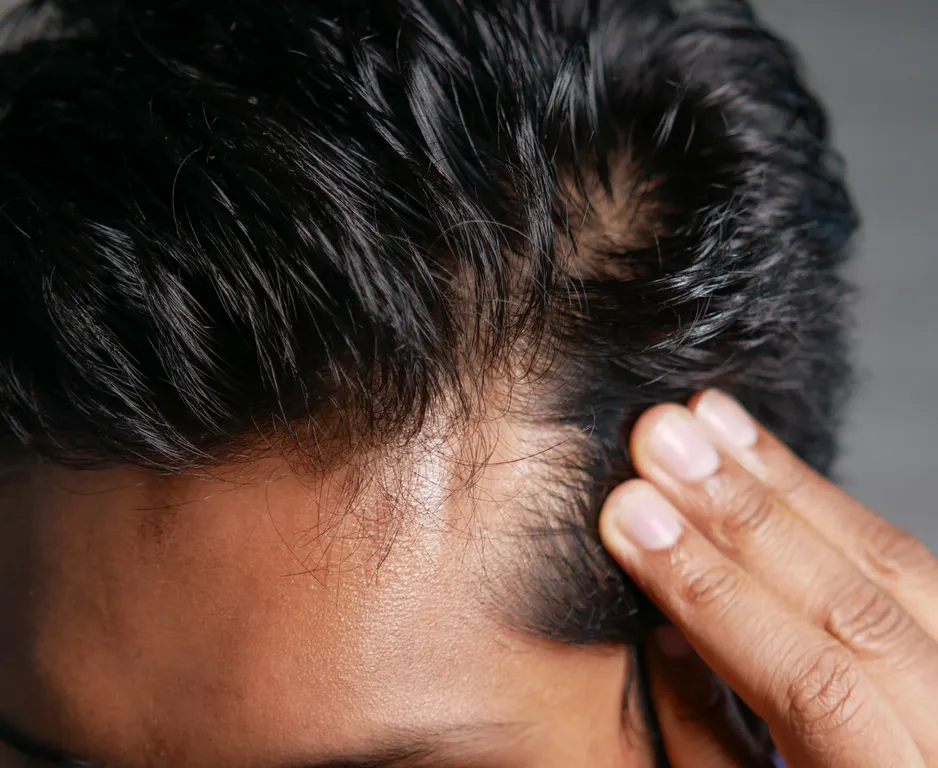
Our advanced treatments harness the power of stem cells to promote hair growth and combat hair loss, without drugs, side-effects, or surgeries.
Non-invasive
The procedure is relatively safe and non-invasive. It usually requires only a few injections and can be done in a doctor's office. The effects of the treatment can be seen within a few months.
Natural Results
Stem cell hair restoration naturally restores thickness and fullness in your hair, producing new hair follicles and regenerating existing follicles.
Our Results Speak For Themselves
See The Transformations
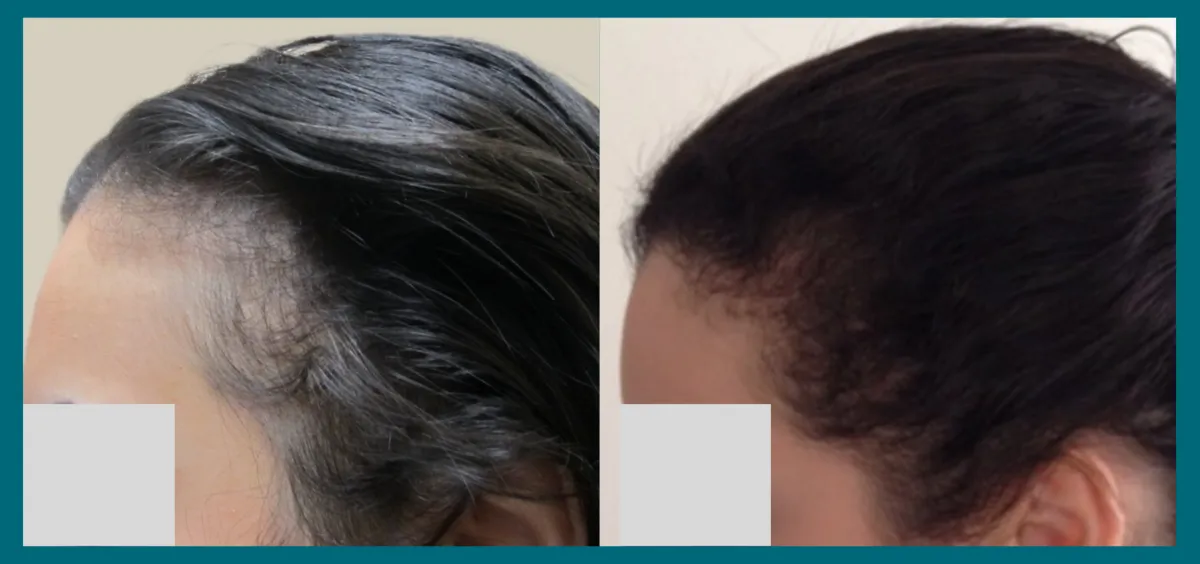
Treatment Type: Stem Cell Hair Restoration
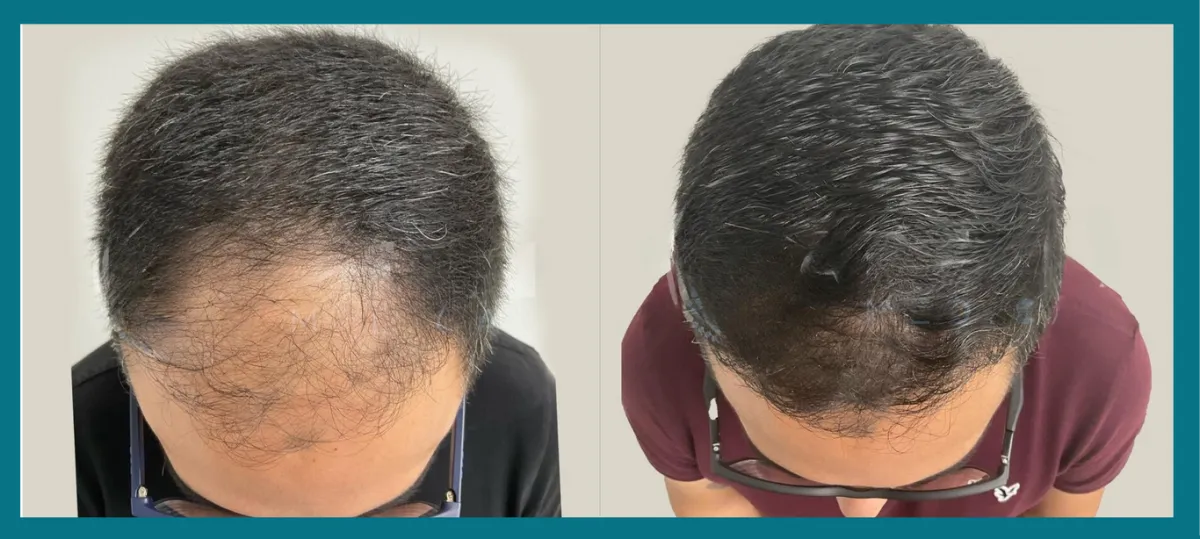
Treatment Type: Stem Cell Hair Restoration
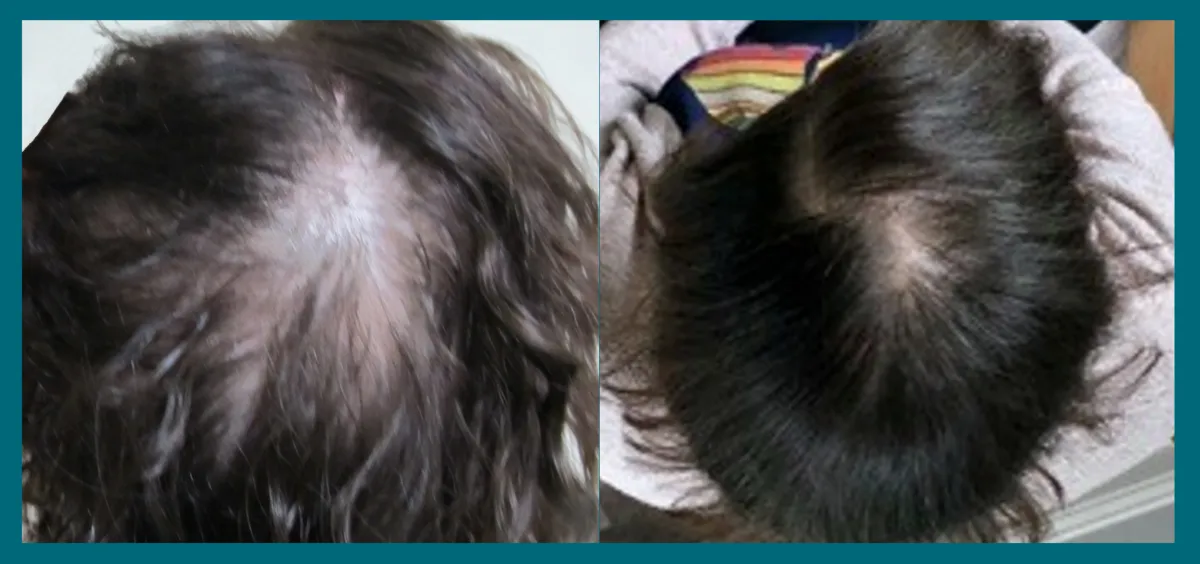
Treatment Type: Stem Cell Hair Restoration
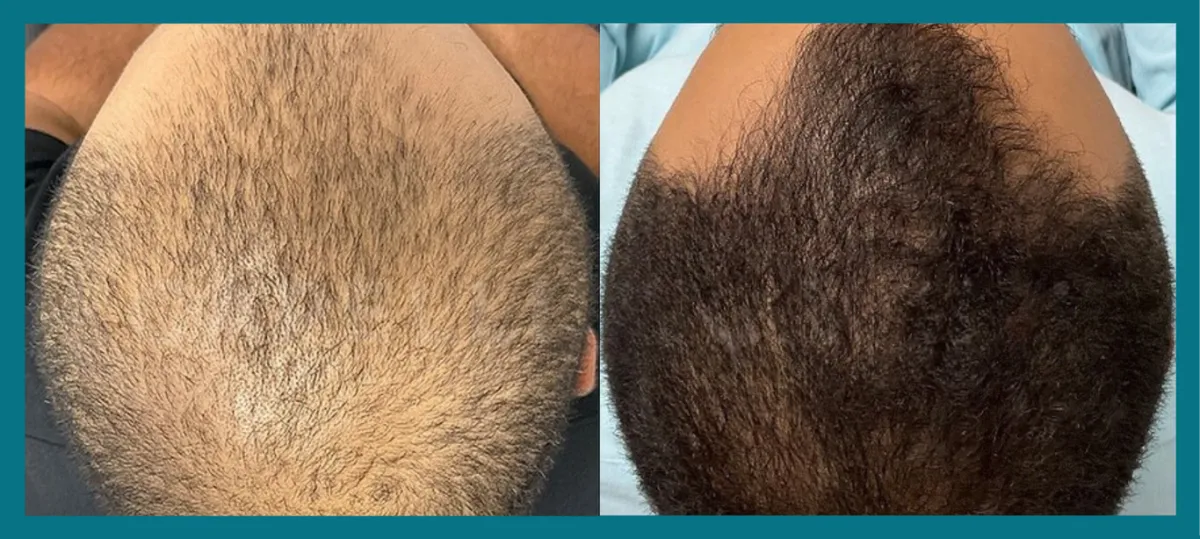
Treatment Type: Stem Cell Hair Restoration
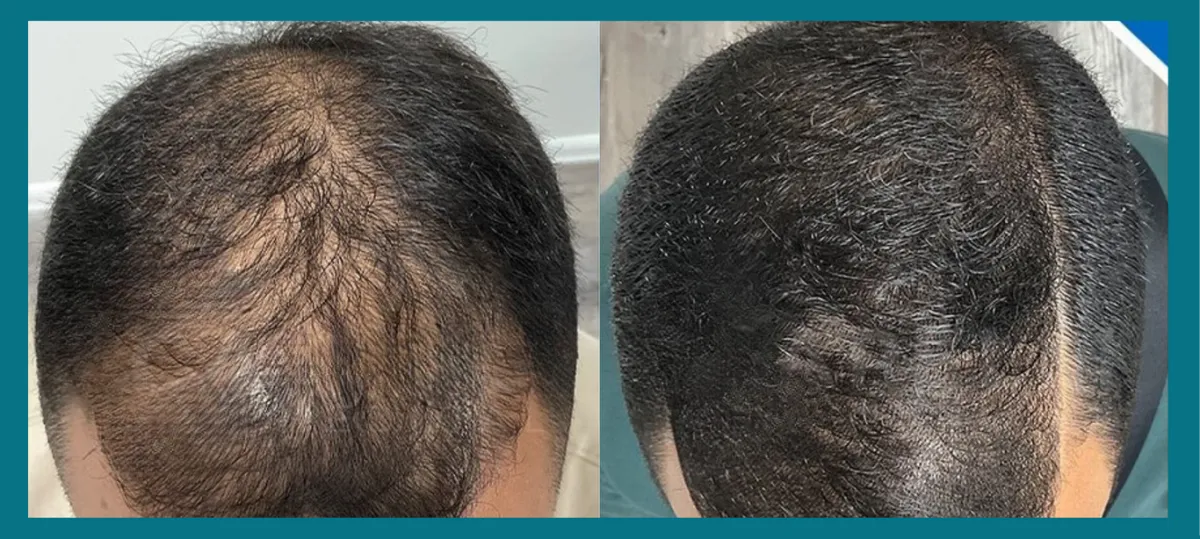
Treatment Type: Stem Cell Hair Restoration
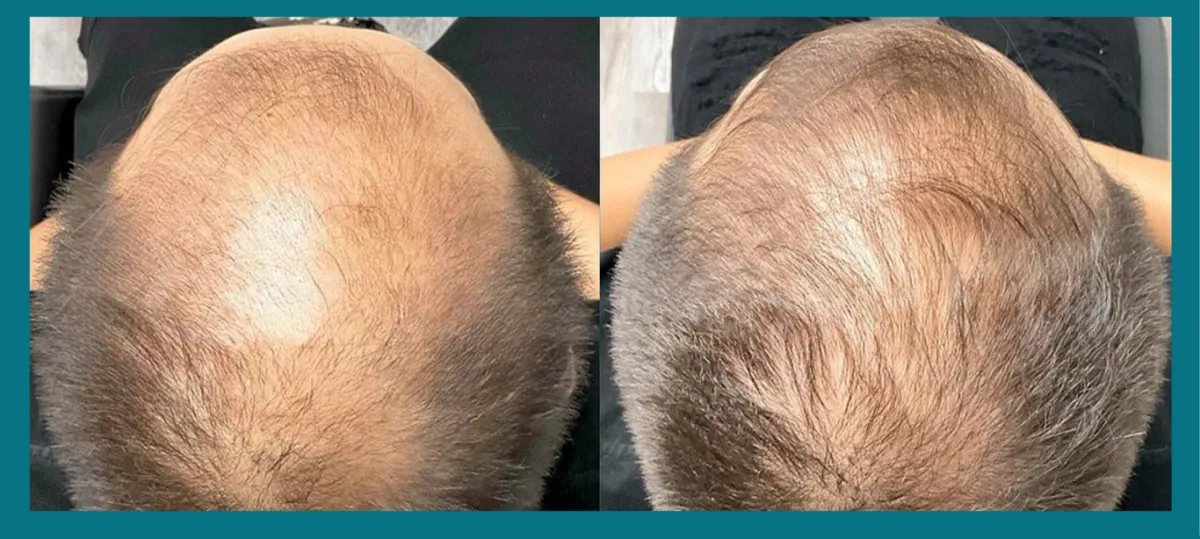
Treatment Type: Stem Cell Hair Restoration
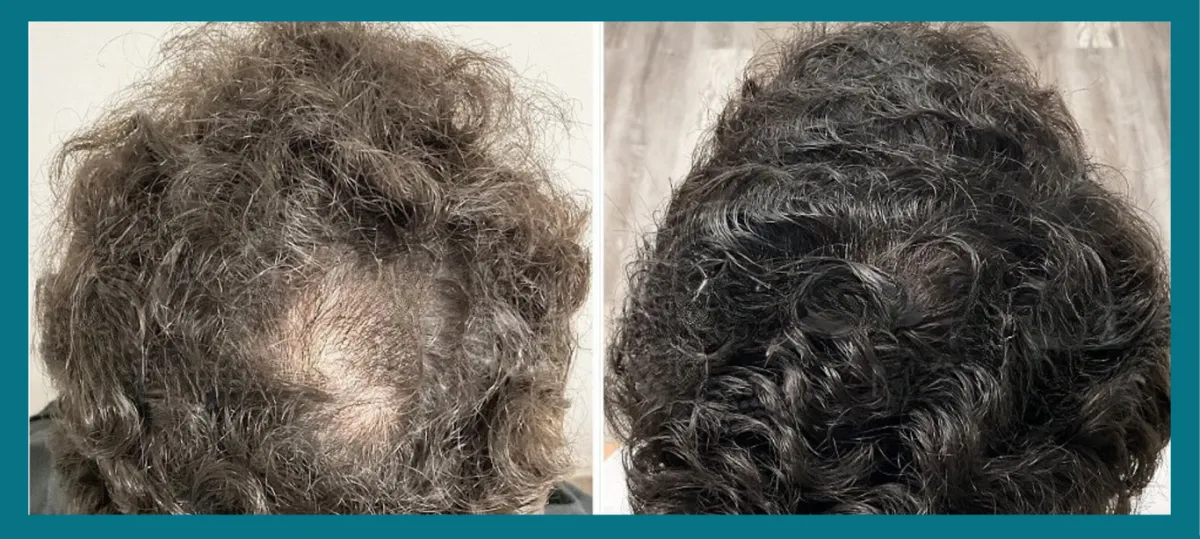
Treatment Type: Stem Cell Hair Restoration
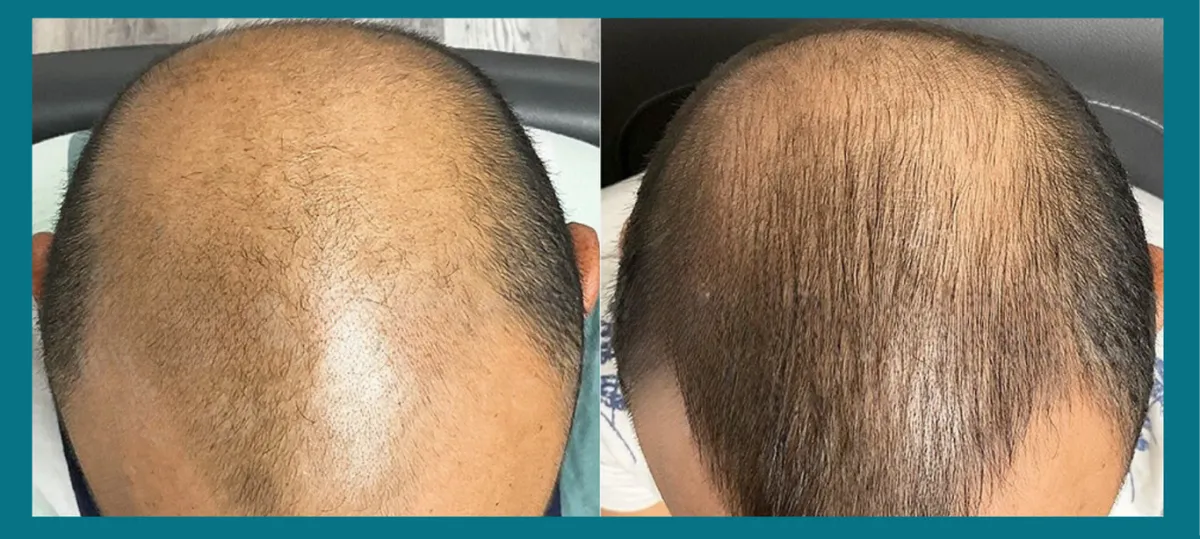
Treatment Type: Stem Cell Hair Restoration
Up to date on the latest techniques and technology
Medical Director & Surgeon Dr. Chao
Ron Chao, M.D. an award winning Hair Transplant Surgeon with Board Certification in Surgery. Surgical experience since 1996 with cosmetic surgery and hair restoration since 2004.
After an initial hair transplantation fellowship, Dr. Chao studied advanced hair transplantation techniques at a renowned clinic in Beverly Hills, CA. Dr. Chao is also an associate member of the International Society of Hair Restoration Surgery (ISHRS).
Due to his unique skills and experience in general surgery and plastic and cosmetic surgery, Dr. Chao found a natural fit with hair transplant surgery and decided to focus 100% of his time in this area.
After medical school, Dr. Chao specialized in general surgery and became the Chief Resident, General Surgery at The St. Mary’s Hospital – Yale University School of Medicine. After that, Dr. Chao decided to focus his efforts on plastic and cosmetic surgery attending a Plastic Surgery Residency at The University of Texas at San Antonio, TX and then a Cosmetic Surgery Fellowship with the American Academy of Cosmetic Surgery. Dr. Chao also completed a hair transplant fellowship with Medical Hair Restoration (MHR)/International Society of Hair Restoration Surgery (ISHRS).
Board certified with 20+ years of specialized hair restoration experience
More than 10,000 successful treatments and satisfied patients
Unbeatable track record and reputation

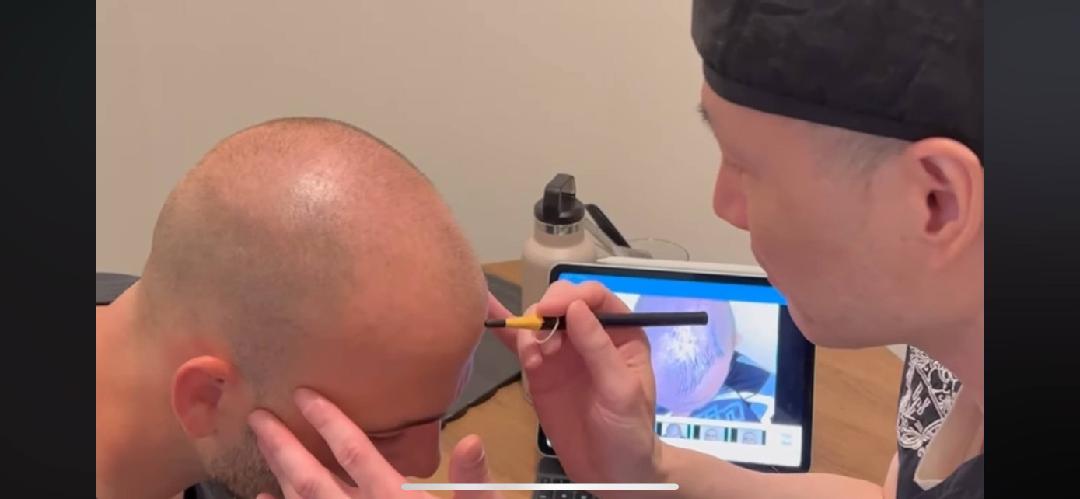
We've helped thousands of people just like you
We Help Men/Women Avoid Costly and
In-Effective Hair Restoration Mistakes™

I"Turning 45 hit me harder than I expected. I was still sharp mentally, still leading my team, still active — but my thinning hair made me feel older than I was. I didn’t want something dramatic. I wanted something believable.
Dan’s method felt like working with a strategist, not a salesperson. He evaluated my donor supply carefully. He designed a hairline that fit my age and facial structure. He emphasized density in the right zones instead of spreading grafts thin just to cover more area.
What I appreciated most was the long-term planning. He treated my donor hair like a finite asset — something to manage wisely. That mindset resonated with me as a business owner.
The result doesn’t scream ‘hair transplant.’ It quietly restores presence. And at 45+, presence matters."
- Russell B
I don’t make impulsive decisions — especially not cosmetic ones. I had three consultations before meeting Dan. Each clinic gave me a different graft count and pushed me to schedule quickly. Something felt off.
Dan’s approach was different. He broke down the industry. He explained why graft numbers vary so widely. He showed me how some clinics chase volume, not long-term outcomes. For the first time, I understood what I was buying.
I realized I was close to making a $15,000–$20,000 mistake.
His method is methodical, conservative where it needs to be, and strategic where it matters. Now, a year later, my hairline looks completely natural — my colleagues just say I look well-rested. That’s the best compliment I could ask for."
- Edmund A.
"I’m 47. I’ve built a successful career, raised my kids, and I take care of myself. But every time I looked in the mirror, my hairline told a different story. I didn’t want to look like I was trying to be 25 again — I just wanted to look like a strong, confident version of myself.
What stood out about Dan’s method was that he didn’t rush me or sell me grafts. He educated me. He showed me what over-harvesting looks like. He explained long-term donor management. He talked about what I’ll look like at 60, not just 6 months from now. That level of foresight is rare.
I didn’t feel like a number. I felt protected. And the result? Natural. Age-appropriate. Powerful. I look refreshed — not ‘done.’ At this stage of life, that’s exactly what I wanted."
- Duane D.
One Step Away From Regaining Your Confidence
Book your free Evaluation, and find the right solution for you.
Contact
Address: 2103 S El Camino Real Suite 206, Oceanside, CA 92054
Office Phone: +1 760-477-4215
Email: [email protected]
Quick Links
Treatments
© Copyright 2026 | Active Aesthetics | All Rights Reserved | Privacy Policy